
Veículos híbridos abrem um caminho resiliente em meio à transição para veículos elétricos, Revelação de insights da indústria
In the midst of the automotive industry’s rapid shift towards full veículos elétricos (EVs), Especialistas sugerem que os veículos híbridos gasolina-elétricos podem ter um papel mais duradouro do que o inicialmente previsto.
Montadoras proeminentes, como a Ford, Toyota, e a Stellantis estão traçando um caminho que envolve a produção e comercialização de centenas de milhares de veículos híbridos nos Estados Unidos nos próximos cinco anos. Esta estratégia visa clientes comerciais e retalhistas que procuram uma solução de mobilidade sustentável, mas permanecem hesitantes em adotar totalmente os veículos elétricos puros..
Tim Griskey, Estrategista de portfólio sênior na Ingalls & Snyder, uma empresa de gestão de investimentos com sede em Nova York, comentários, “Os híbridos surgem como uma alternativa viável aos veículos totalmente eléctricos e são susceptíveis de atrair uma base de clientes mais ampla.”
O interesse dos consumidores pelos híbridos está a ressurgir devido a um aumento menos rápido na procura de veículos eléctricos puros.. Vários fatores prejudicaram a demanda por EV, incluindo custos elevados de veículos, ansiedade de alcance, tempos de carregamento prolongados, e uma escassez de infra-estruturas públicas de carregamento.
O próprio Fiorani, Vice President of AutoForecast Solutions, notes, “As emission regulations tighten, hybrids present a cleaner alternative without necessitating an immediate shift to fully electric vehicles.”
S&P Global Mobility projects a significant surge in hybrid adoption, with expectations that hybrids will comprise 24 percent of new U.S. car sales by 2028. Em contraste, pure EVs are projected to represent 37 percent of sales, while internal combustion engine (GELO) Veículos, including mild hybrids, will encompass 40 por cento. Por comparação, S&P predicts that hybrids will make up only 7 percent of U.S. sales this year, with pure EVs accounting for 9 percent and ICE vehicles comprising over 80 por cento.
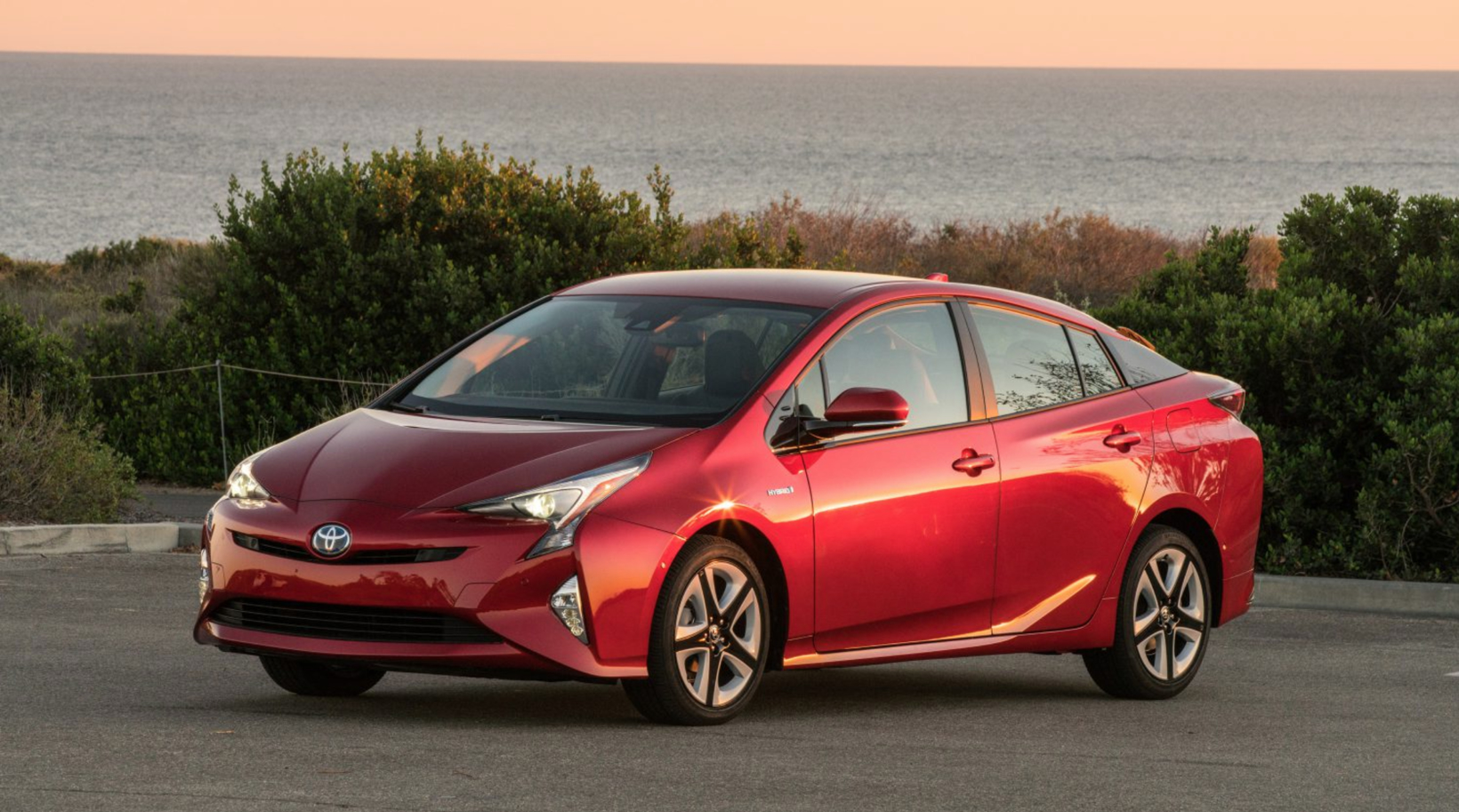
Toyota’s Prius has historically been one of the most popular hybrid models, though hybrids have traditionally accounted for less than 10 percent of total U.S. sales. Toyota, along with Ford, is making significant strides in introducing more hybrid models to the market.
Ford’s CEO, Jim Farley, announced ambitious goals to quadruple hybrid sales within the next five years. Antes, the company had predominantly focused on promoting pure EVs. Farley acknowledges that the transition to EVs will be dynamic and potentially volatile until clear industry leaders emerge.
While many automakers are embracing hybrids, General Motors (GRÃO-MESTRE) appears to be less inclined, with a strong commitment to an all-electric future. Stellantis, Por outro lado, following in the footsteps of Toyota and Ford, is set to offer a range of powertrain options, with a notable increase in hybrid sales projected around 2025.
Hybrids have already made headway in specific models. Stellantis reports that hybrid versions constitute 36 percent of Jeep Wrangler sales and 19 percent of Chrysler Pacifica sales. This indicates a promising trajectory for hybrids in conjunction with the impending launch of all-electric models.
Este ano, mais do que 60 hybrid models were sold in the U.S., with Toyota’s luxury brand, Lexus, gabando -se 18 distinct hybrid models. Hyundai, Kia, Vau, and Lincoln also have a solid hybrid presence, while GM plans to introduce the Chevrolet Corvette Hybrid later this year.
Despite the growing interest, many U.S. dealers are facing hybrid shortages. Andrew DiFeo, Director of a Hyundai dealership, envisions hybrids as a bridging solution. He suggests that EV adoption might not reach desired levels until charging infrastructure rivals the ubiquity of gas stations. DiFeo states, “Irrespective of the future landscape, hybrids offer a robust transition. While hybrid inventory is scarce, customer demand remains strong.”