Featured order-based sourcingCompare the editions ↗
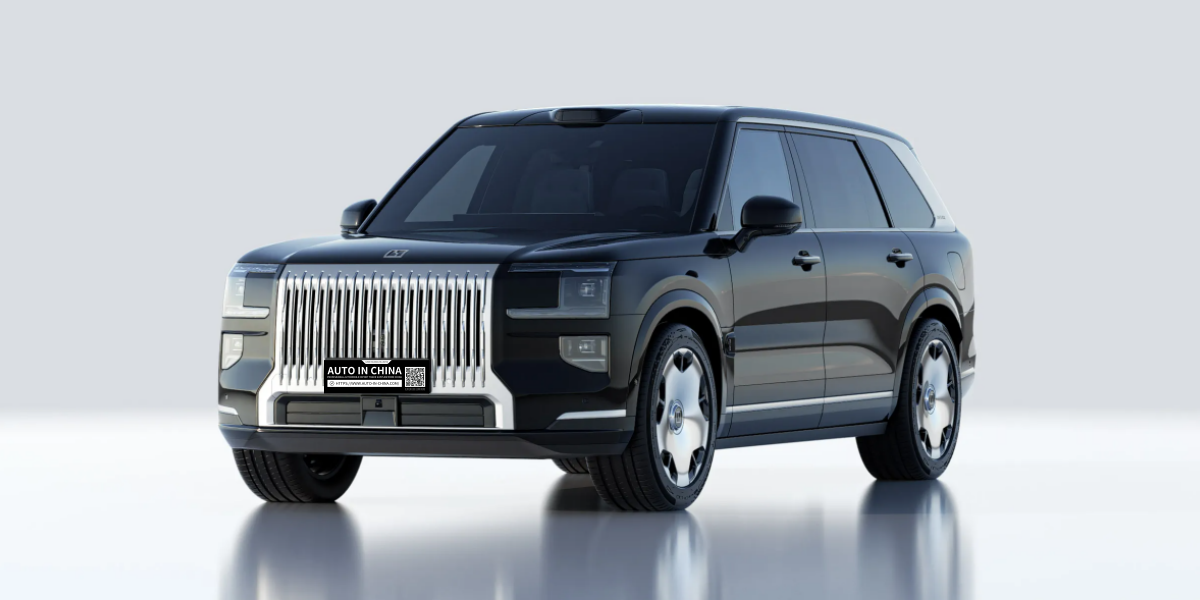
ZEEKR 9X
2025 6-seat / 2026 5-seat · 7 edition entries
USD 72,250–95,100Company reference quotes · Exact edition to confirm
EXW NanshaListed quantity: 150 / 200 by entryIndicative window: 45 days
 AUTO IN CHINAVEHICLE SUPPLY & EXPORTDiscuss your enquiry
 CHINESE VEHICLE SUPPLY · INTERNATIONAL BUSINESS BUYERS
New vehicles, market-specific ranges and quality used vehicles for dealers, importers and fleet buyers. Explore editions and USD reference quotes, then discuss sourcing, vehicle documents and handover with our Guangzhou team.
2025 6-seat / 2026 5-seat · 7 edition entries
ALL VEHICLES
Search the full catalogue by brand or model, browse editions and discuss your requirements with our team.
NEWS & INDUSTRY INSIGHTS
Vehicle launches, model guides and export insights for your research.
EXPLORE YOUR SOURCING ROUTE
Browse a catalogue route, then confirm the exact edition and documents for your enquiry.
WHAT WE SUPPLY · WHY WORK WITH US
Research the supply, define the quote and have a China-side team to discuss the next steps.
MAEXTRO S800, ZEEKR 9X and 8X, NIO ES9, and LYNK & CO 06 International. Explore 22 edition entries with USD quotes, listed quantities and indicative windows.
Compare the featured offers ↗Explore WVTA, GCC and right-hand drive vehicle ranges. Discuss the exact version and supporting vehicle documents for your destination.
Find your catalogue route ↗Selected used vehicles for dealers, importers and fleet buyers. Share your target models, quantities, mileage and condition requirements. Confirm vehicle information and inspection scope for your purchase.
Explore used vehicles ↗FEATURED VEHICLES · FROM RESEARCH TO ENQUIRY
Choose the exact edition, review the quotation basis and compare up to three models in one shortlist.
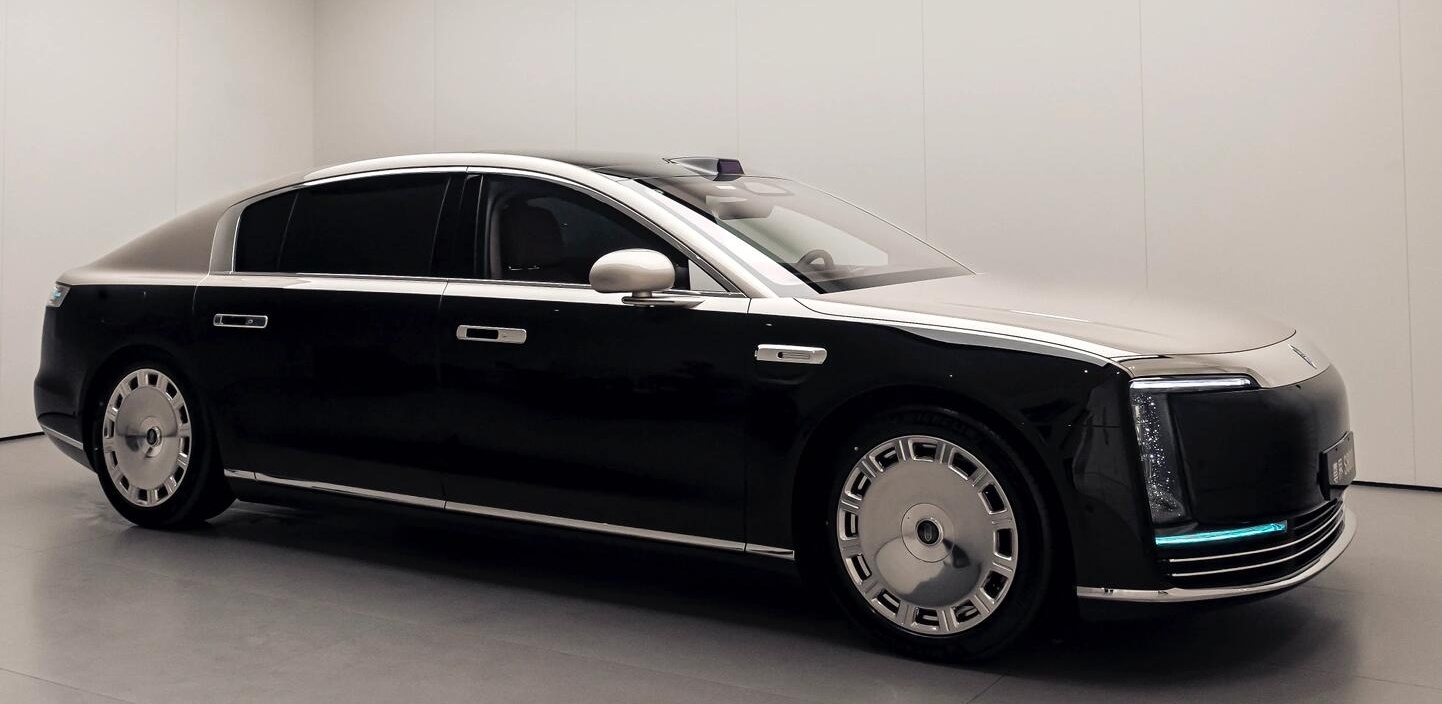
ORDER-BASED SUPPLY
2026 · EV / EREV edition enquiries
EXW Hefei
ORDER-BASED SUPPLY
2025 6-seat / 2026 5-seat
EXW Nansha
ORDER-BASED SUPPLY
2026 · MAX / Ultra / Ultra+ / Shadow
EXW Nansha
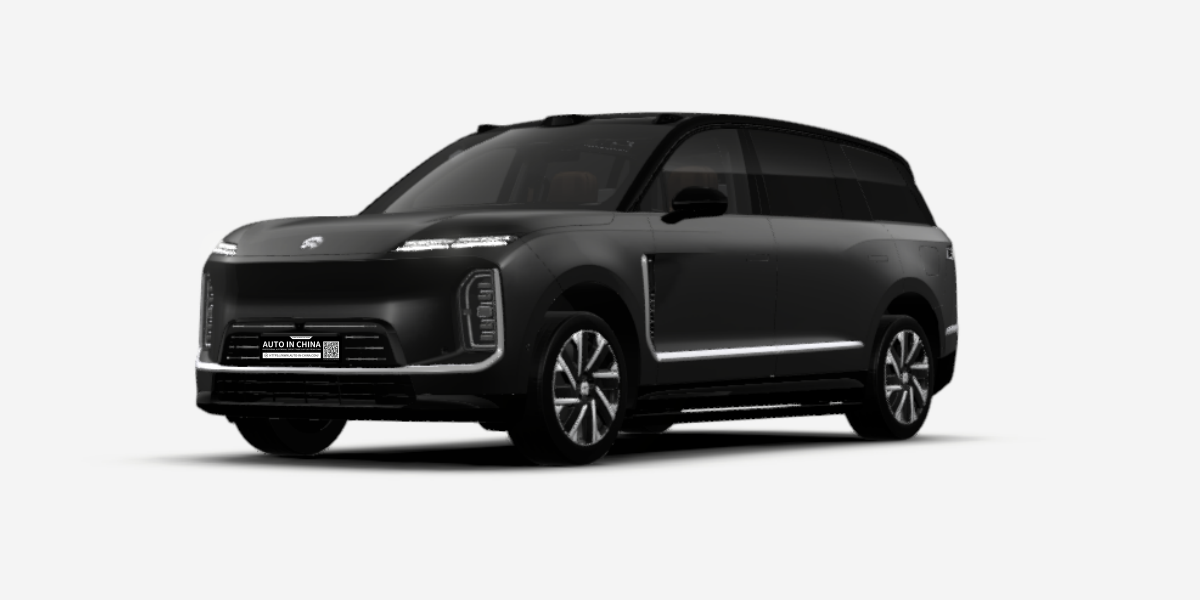
ORDER-BASED SUPPLY
2026 · Executive / special edition enquiries
EXW Nansha
No featured model matches your search. Tell us the brand and model you need, or browse all vehicles.
Reference quotes follow the company-supplied featured model sheet, received on 12 October 2026. These entries are marked by order. Confirm quotation validity, options, current allocation, the timing start date and agreed handover point. Quantities are shown per source entry and are not added into a total stock count. Images are original model references; confirm the exact trim and market equipment.
Review the chosen edition and quote basis, then include the exact editions and quantities in your enquiry.
Quantities are listed per edition. Confirm timing, handover point and quotation validity for your selected vehicle; model overview prices may be historical.
SOURCING & EXPORT · DEFINE THE PURCHASING SCOPE
Discuss editions, sourcing, inspection, vehicle documents and freight coordination with the Guangzhou team. Agree the included services, extra costs and handover responsibilities in your written quotation.
Explore sourcing & export ↗Model, edition, quantity, current supply, vehicle price and quotation validity.
Requested inspection scope, supporting vehicle information and export documentation arrangements.
Delivery point, agreed trade term, transport scope, proposed timing and the parties responsible for each stage.
Which sourcing services are included, which costs are quoted separately and which destination-side items remain to be confirmed.
YOUR SOURCING CONTACT IN GUANGZHOU
Explore the company information, review the vehicle offer and speak to the team about the supply channel and purchasing scope. Confirm the documents and arrangements relevant to your enquiry.
Room 201, Building 6, No. 128, Donghuan Road,
Shiqiao, Panyu District, Guangzhou, China
Review the edition offers above and the model specifications. Confirm the exact configuration you intend to purchase.
Compare vehicle details ↗Discuss optional third-party inspection, its scope and the individual vehicle records relevant to your purchase.
Inspection & sourcing services ↗Ask about the supply channel, documents, sourcing responsibilities and proposed handover. Contact the team through the existing website contact details.
Find the team contact options ↗ONE ENQUIRY FOR YOUR SOURCING REQUIREMENTS
Share the destination, models, editions and quantities. Include the scope you want quoted, or contact the team directly through the existing website contact details.
Direct contact links open the existing contact channel. This private form only previews your enquiry and does not send it.
Review the details before contacting the team.
BEFORE YOUR FIRST ORDER
The featured entries are marked by order in the company-supplied sheet. Confirm the available allocation, exact edition and supply arrangements with the team. Repeated quantities are not combined into a total stock figure.
The company brief lists estimated windows of 15 days, 45 days or 4–6 weeks for different entries. Confirm the timing start date and agreed handover point for your actual purchase.
Confirm the selected edition, price validity, optional equipment, quoted delivery basis and included sourcing or transport services. The delivery point and scope form part of the quotation discussion.
Share the model, year, target mileage and condition requirements. The company brief covers target mileage of 100–30,000 km; confirm the individual vehicle and inspection information before purchasing.
The existing sourcing service allows discussion of your preferred freight forwarder. Share the intended handover point so sourcing and transport responsibilities can be clarified.
AUTO IN CHINA is a professional China Car Exporter specializing in supplying high-quality Chinese vehicles to global markets. We provide a complete vehicle export solution, including car sourcing, quality inspection, export documentation, international shipping, and logistics support.
With strong connections with leading Chinese automobile manufacturers and dealers, we help overseas dealers, distributors, and individual buyers purchase competitive Chinese vehicles at factory-direct prices.
Whether you are looking for Chinese electric vehicles (EVs), hybrid cars, plug-in hybrid vehicles, or quality used cars, AUTO IN CHINA provides reliable vehicle supply and professional export services from China.
China has become one of the world's largest automotive manufacturing centers, especially in the field of new energy vehicles. Brands such as BYD, Zeekr, Li Auto, XPENG, Denza, Lynk & Co, and other Chinese automobile manufacturers are gaining popularity worldwide due to their advanced technology, competitive pricing, and innovative designs.
As an experienced Chinese Car Exporter, AUTO IN CHINA helps international customers access the latest Chinese vehicle models with efficient export procedures and competitive wholesale prices.
Our services include:
The rapid development of China's electric vehicle industry has created new opportunities for global car buyers. Chinese EV manufacturers are leading the market with advanced battery technology, intelligent driving systems, and competitive pricing.
AUTO IN CHINA supplies popular Chinese electric vehicles including:
We work with international dealers who are looking for reliable Chinese EV exporters and stable vehicle supply channels.
Buying cars from China has become increasingly popular because of the wide selection of models, competitive prices, and advanced vehicle technology.
AUTO IN CHINA provides professional solutions for customers who want to:
Our experienced team helps customers complete every step from vehicle selection to final delivery.
AUTO IN CHINA provides global vehicle export services covering multiple regions, including:
We understand that different countries have different requirements for vehicle import regulations, customs clearance, and transportation methods. Our export team provides professional support to ensure a smooth purchasing and shipping process.
We cooperate with reliable suppliers and dealers in China, allowing customers to access competitive vehicle prices and a wide range of models.
From purchase contracts and export documents to shipping arrangements, we manage the complete export process.
Our inventory includes:
We support international customers with vehicle consultation, quotation, shipping information, and after-sales communication.
Choosing the right China Car Exporter is essential for successful vehicle import business. AUTO IN CHINA combines Chinese automotive resources with professional international export experience to help global buyers find the right vehicles at competitive prices.
Whether you are a car dealer, distributor, or private buyer, we provide reliable access to China's automotive market.
Contact AUTO IN CHINA today to start your vehicle sourcing journey.
Discuss this vehicle and your purchasing requirements.