XPeng arbeitet mit NVIDIA zusammen, um den autonomen Fahrchip für verbesserte Leistung und Kosteneffizienz anzupassen
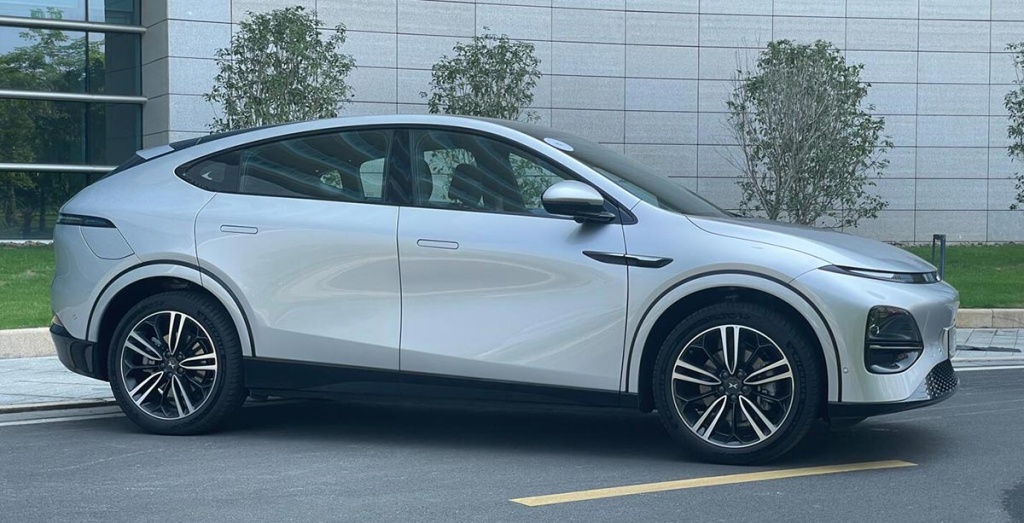
Chinesisches Elektrofahrzeug Hersteller Xpeng (NYSE: XP) führt Gespräche mit dem führenden US-amerikanischen Chiphersteller Nvidia, um einen autonomen Fahrchip zu entwickeln, der ein Gleichgewicht zwischen Leistung und Kosten schafft, wie kürzlich berichtet.
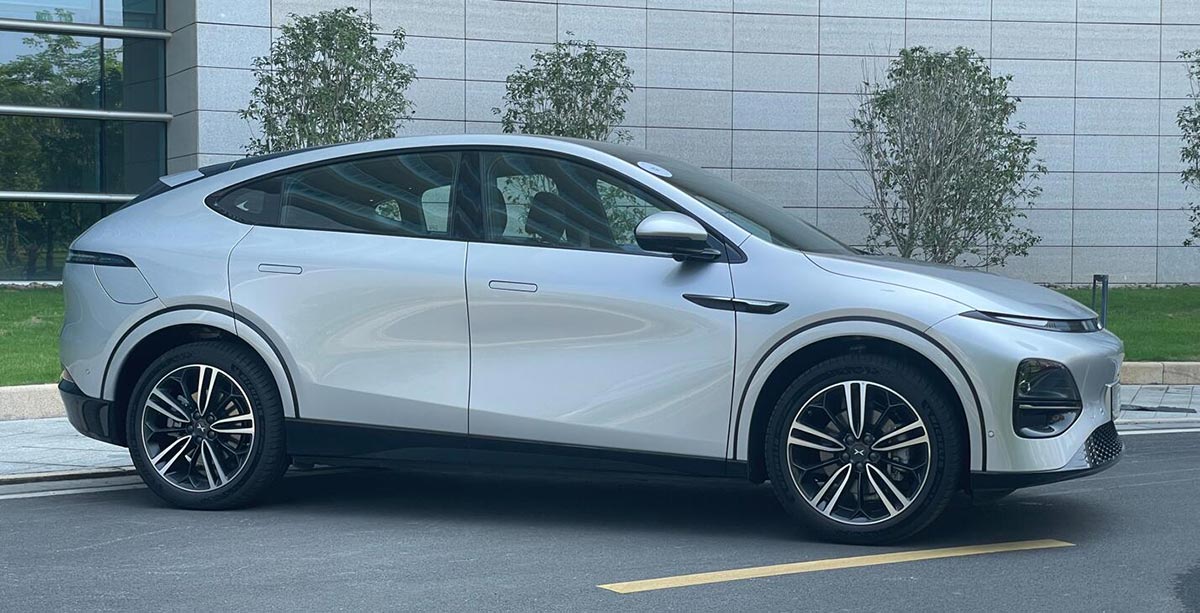
Um die Funktionalität und Erschwinglichkeit seiner Fahrzeuge zu optimieren, Xpeng sucht nach einer maßgeschneiderten Version von Nvidias kommendem Chip für autonomes Fahren, Fahren Sie Thor. Während Nvidias Standard-Thor-Chip mit einer beeindruckenden Leistung aufwartet 2,000 Tops (Billionen Operationen pro Sekunde) der Rechenleistung, Xpeng sucht nach einer Version mit 750 Tops, laut einem detaillierten Bericht im lokalen Medienunternehmen Red Plan X.
Die treibende Kraft hinter der Initiative von Xpeng ist die Reduzierung der mit der Stadtnavigation verbundenen Kosten durch fortschrittliche Fahrerassistenzsysteme (Unbestimmt). Dieser strategische Schritt zielt darauf ab, Funktionen wie City-NOA in Fahrzeugen ab RMB zugänglich zu machen 150,000 ($20,590), Dadurch wird die Attraktivität der Xpeng-Angebote für eine breitere Verbraucherbasis erhöht.
Aber, Der weitere Weg stellt Nvidia vor Herausforderungen. If the chipmaker accommodates Xpeng’s request for a lower-powered Thor chip, it could set a precedent for other automakers to do the same, potentially rendering the development of the high-powered 2,000 Tops version less cost-effective and underutilized.
Nvidia’s Drive Thor, unveiled on September 20, 2022, as a successor to Drive Orin, delivers an exceptional 2,000 Tops of performance—a considerable eightfold increase over the Drive Orin chip currently employed in mainstream electric vehicle models.
The concept of a 750 Tops computing power aligns well with the requirements for city NOA functionality, as the existing algorithms don’t demand the full capacity of the 2,000 Tops version, according to the Red Plan X report.
The financial aspect also plays a role, as the 2,000 Tops Thor chip is costlier than the current Orin chip. Aber, a scaled-down version could potentially offer a more budget-friendly solution without compromising on essential capabilities.
Der Vorsitzende und CEO von Xpeng, Er Xiaoopeng, envisions the reduction of city NOA costs as a pivotal element in the company’s strategy. The goal is to decrease the feature’s cost to around RMB 10,000, allowing models within the RMB 150,000 range to incorporate city NOA as a standard feature.
He expressed his confidence in Xpeng’s ongoing cost-reduction endeavors, aiming to achieve an overall cost reduction of 25 percent by the end of 2024. The company’s multifaceted approach to cost reduction is expected to result in improved gross margins and enhanced product competitiveness.
Bemerkenswert, Xpeng has transitioned from its previous stance that autonomous driving features were infeasible within the RMB 150,000 category due to cost limitations. Jetzt, with advancements in technology and cost-efficiency measures, the company believes it can deliver fully autonomous driving capabilities in this price range.
In einer bedeutenden Entwicklung, Xpeng confirmed the departure of its Vice President of Autonomous Driving, Wu Xinzhou, im August 2, citing personal and family reasons. While Xpeng did not disclose Wu’s new position, reports indicate that he may join Nvidia as a global senior vice president, reporting to the CEO, Jensen Huang.
Außerdem, Xpeng intends to undertake chip development in-house to drive down costs even further. After temporarily scaling back its chip research and development efforts due to a sales slump last year, the success of the G6 has revitalized Xpeng’s chip R&D investments. The company is set to unveil its chip development plans at the upcoming 1024 Tech Day event.
(Notiz: Currency conversion rate used is $1 = RMB 7.2847)