¿Es mejor comprar un coche de gasolina o eléctrico?? Lleno 2026 Guía de compra
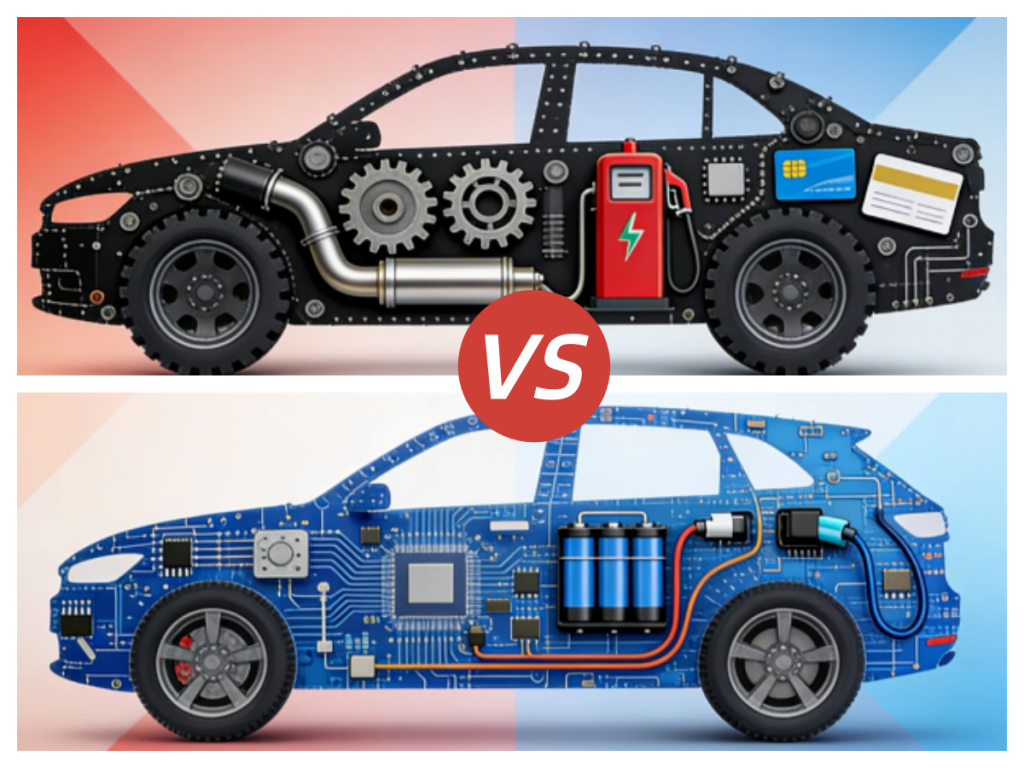
Introducción: Petrol vs Electric Cars – The Big Decision
One of the most common questions car buyers ask today is:
Is it better to get a petrol car or an electric car?
The answer is not simple, because it depends on your driving habits, presupuesto, country regulations, and long-term expectations.
En 2026, the automotive market is changing fast. Vehículos eléctricos (Vehículos eléctricos) are growing rapidly, pero petrol cars still dominate in many regions.
This guide breaks down both options in a practical, real-world way.
Petrol Cars: Still Reliable and Easy to Refuel
Gasolina (gasolina) cars have been the global standard for over 100 años.
Advantages of Petrol Cars
- Easy refueling anywhere
- Lower upfront purchase price
- Mature and reliable technology
- Faster long-distance refueling compared to charging
- Wider repair network globally
Disadvantages of Petrol Cars
- Higher fuel cost over time
- More maintenance (motor, caja de cambios, oil, etcetera.)
- Increasing environmental regulations
- Risk of future bans in some cities
- Lower energy efficiency compared to EVs
Coches electricos: The Fastest Growing Choice
Vehículos eléctricos, especially Automóviles chinos, are rapidly reshaping the global market.
Marcas como
BYD,
XPENG
NIO
are leading global EV adoption.
Advantages of Electric Cars
- Much lower running cost (electricity vs fuel)
- Quiet and smooth driving experience
- Fewer moving parts → lower maintenance
- Strong acceleration and modern technology
- Many countries offer tax incentives
Disadvantages of Electric Cars
- Higher upfront cost in some markets
- Charging time required
- Charging infrastructure still developing in some countries
- Battery degradation concerns (long-term)
Cost Comparison: Gasolina vs Eléctrico
In general:
- Petrol cars → cheaper to buy, more expensive to run
- Electric cars → more expensive to buy, cheaper to run
Simple Real-World Example:
- Petrol SUV: lower purchase price but high monthly fuel cost
- SUV eléctrico: higher purchase price but much lower charging cost
Over 3–5 years, EVs often become more cost-efficient.
Experiencia de conducción: Big Difference in Feel
Petrol Cars
- Engine noise
- Cambio de marchas (in most models)
- Traditional driving feel
Coches electricos
- Instant torque
- Aceleración suave
- No engine vibration
- Quiet cabin
Many drivers switch to EVs simply because of the driving comfort difference.
Infrastructure: The Key Decision Factor
Before choosing, ask yourself:
- Do you have home charging access?
- Are there enough fast chargers in your area?
- Do you drive long-distance frequently?
If charging is convenient → EV is ideal
If charging is difficult → petrol may still be better
Environmental Impact
Electric vehicles produce zero tailpipe emissions, while petrol cars emit CO₂ and pollutants.
Sin embargo, EV environmental impact also depends on:
- Electricity source (coal vs renewable energy)
- Battery production lifecycle
Overall trend: EVs are still considered the future direction of transportation.
Global Market Trend: EVs Are Growing Fast
According to global automotive data (IEA and regional industry reports), electric vehicles are rapidly increasing their market share worldwide.
External references:
- International Energy Agency – Global EV Outlook
- European Automobile Manufacturers Association (ACEA)
These reports confirm that EV adoption is accelerating across Europe, China, and emerging markets.
¿Cuál deberías elegir??
Choose a petrol car if:
- You need low upfront cost
- You travel long distances with limited charging access
- You want simple refueling anywhere
Choose an electric car if:
- You want lower long-term cost
- You have home or workplace charging
- You prefer modern technology and comfort
- You care about environmental impact
Conclusión: There Is No Single “Best Choice”
The decision between petrol and electric cars depends entirely on your lifestyle.
- Petrol cars remain practical and accessible
- Electric cars represent the future of mobility
En 2026 y más allá, the trend is clear: electric vehicles are becoming the dominant direction, but petrol cars still serve specific real-world needs.