L’UE approuve un nouveau règlement sur l’économie circulaire dans le secteur automobile: Ce que cela signifie pour les exportateurs de voitures chinois
European Union Introduces Full Lifecycle Automotive Regulation
The European Union has officially approved a landmark Automotive Circular Economy Regulation, marquant une transformation majeure dans la façon dont les véhicules sont conçus, produit, vendu, and recycled across the European market.
The new legislation, adopted by the European Parliament with strong majority support, introduces full lifecycle requirements for all vehicles sold in the EU. It covers vehicle design standards, recycled material usage, end-of-life vehicle management, used car transaction rules, and export restrictions on scrap vehicles.
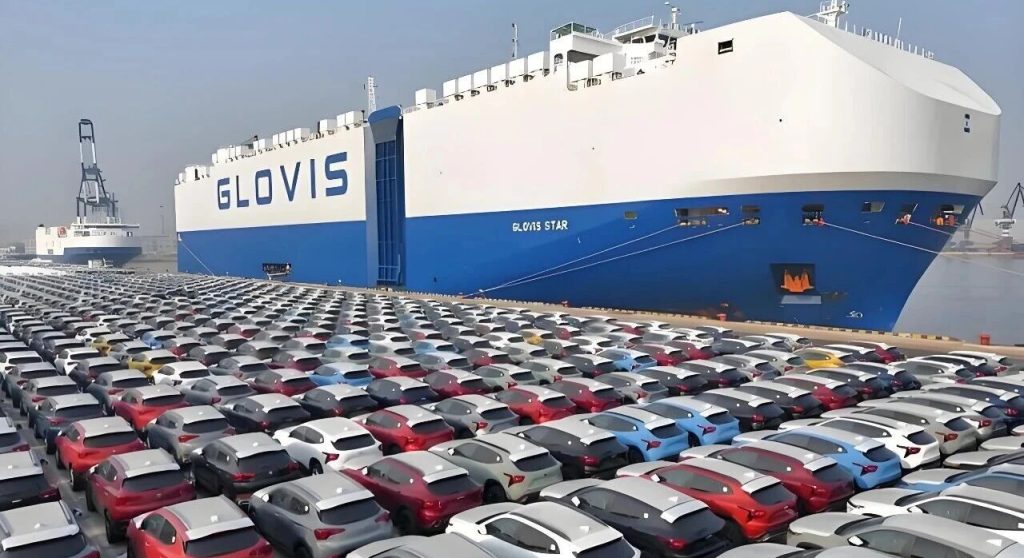
For global manufacturers and exporters—especially China car exporters—this regulation introduces new compliance requirements that will reshape long-term market access strategies in Europe.
Key Focus: Full Vehicle Lifecycle Regulation
The core principle of the new EU regulation is to ensure that every vehicle is designed and managed according to circular economy principles.
This means vehicles must be:
- Easier to dismantle at end-of-life
- Designed for high material recovery rates
- Manufactured with increasing levels of recycled materials
- Integrated into structured recycling systems across the EU
This shift moves the automotive industry from a linear “produce and dispose” model to a closed-loop system where materials are continuously reused.
Mandatory Recycled Material Requirements for New Vehicles
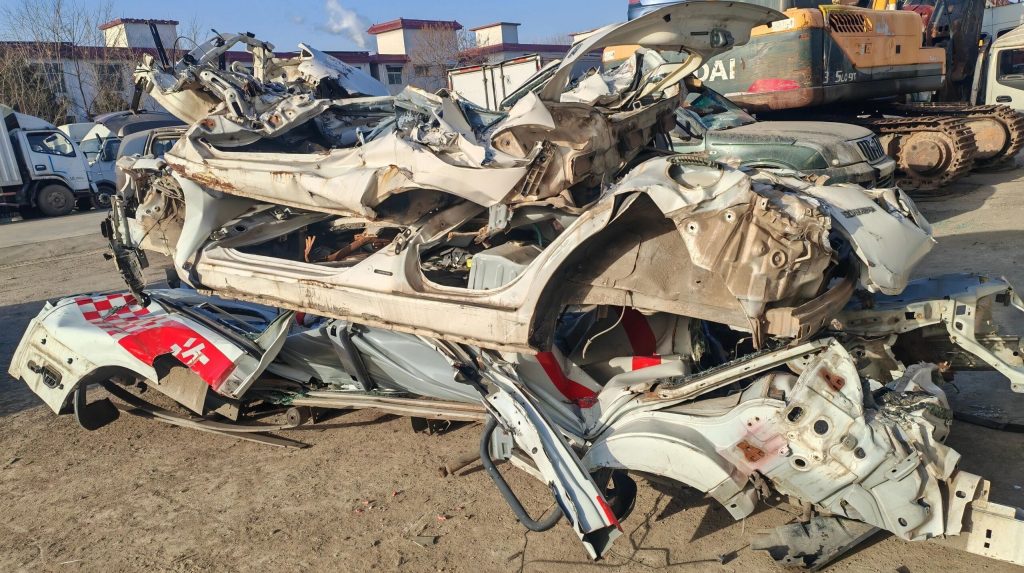
One of the most significant requirements in the regulation is the introduction of strict recycled plastic usage targets:
- Dans 6 années: at least 15% recycled plastic content
- Dans 10 années: at least 25% recycled plastic content
- At least 20% must come from end-of-life vehicles (closed-loop recycling)
De plus,, the European Commission is expected to evaluate future targets for other materials such as:
- Acier
- Aluminum
- Magnesium
- Critical raw materials used in batteries and electronics
For manufacturers exporting to Europe, this means material sourcing and supply chain transparency will become a critical compliance factor.
Impact on China Car Exporters
Pour China car exporters, this regulation does not restrict vehicle imports directly, but it significantly increases compliance expectations for vehicles entering the EU market.
1. Design for Recycling Becomes Mandatory Requirement
Exported vehicles must increasingly demonstrate:
- Easy disassembly structure
- Material separation efficiency
- Recyclable component design
- Environmental lifecycle compliance documentation
2. Increased Demand for Material Traceability
OEMs and exporters may be required to provide:
- Recycled material usage reports
- Supply chain transparency documentation
- Environmental compliance declarations
- Vehicle lifecycle data tracking
3. Higher Entry Standards for EU Market Access
While tariffs and import rules remain unchanged, the practical entry barrier becomes higher due to:
- Technical compliance requirements
- Environmental certification obligations
- Extended documentation processes
New Rules for Used Car and Second-Hand Vehicle Sales
The regulation also introduces stricter controls for the used vehicle market within the EU.
For commercial sellers:
- A vehicle inspection report or roadworthiness certificate is mandatory
- Vehicles must be proven not to be end-of-life scrap vehicles
For private transactions:
- Documentation is required only in specific cases
- Applies mainly to total-loss vehicles or fully online transactions
This improves transparency and reduces the risk of illegal or unregulated vehicle trading.
Ban on Exporting Scrap and Non-Roadworthy Vehicles
A key enforcement measure included in the regulation is the restriction on exporting end-of-life vehicles.
Five years after implementation, the EU will prohibit the export of:
- Non-roadworthy vehicles
- Scrap or end-of-life vehicles intended for dismantling
- Vehicles lacking valid registration or roadworthiness certification
This measure is designed to prevent environmental dumping and improve global vehicle lifecycle control.
Extended Producer Responsibility (EPR) for Automakers
Another major shift is the introduction of Extended Producer Responsibility (EPR).
Three years after the regulation becomes effective, automakers will be responsible for:
- Collecting end-of-life vehicles
- Managing recycling processes
- Covering full lifecycle disposal costs across the EU
This policy will increase long-term operational costs but also encourage stronger investment in sustainable vehicle design and recycling infrastructure.
Strategic Implications for Global Automotive Trade
The EU regulation represents a broader transformation in global automotive trade standards.
Key industry impacts include:
- Stronger emphasis on circular economy compliance
- Increased importance of sustainable vehicle design
- Higher documentation and certification requirements
- Greater integration of recycling systems into automotive supply chains
For exporters, especially from China, competitiveness in the EU market will increasingly depend on environmental compliance capability rather than only price and performance.
L’AUTOMOBILE EN CHINE: Supporting Global China Car Export Compliance
En tant que professionnel Exportateur de voitures en porcelaine, AUTO IN CHINA helps international buyers and dealers navigate evolving global automotive regulations and sourcing requirements.
Nous fournissons:
- Vehicle procurement from leading Chinese manufacturers
- Prise en charge de la documentation d'exportation
- Compliance advisory for international markets
- Logistics and global shipping solutions
With the rapid evolution of EU automotive regulations, understanding compliance requirements is becoming essential for sustainable market expansion.