
Buyer guide
Chinese Cars for Nigeria and Ghana: A Dealer Buying Guide
For dealers and fleet buyers in Nigeria and Ghana, a vehicle order should be judged by the cost of keeping it in service as well as its purchase price. A practical sourcing plan connects the customer’s routes, repair support, import requirements and expected resale market. Nigeria and Ghana need separate landed cost calculations and document checks.
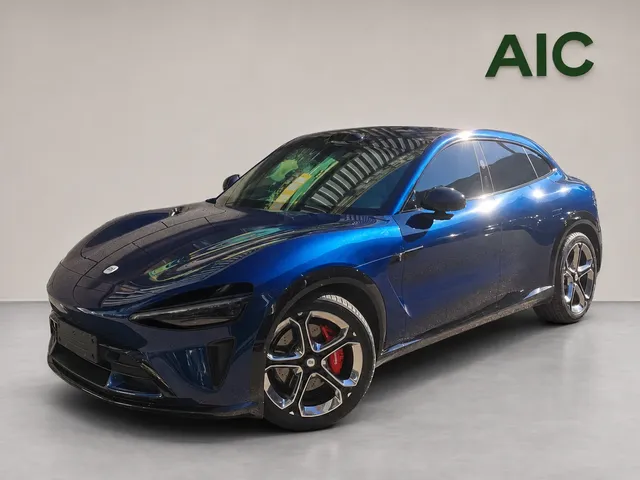
Choose the category before the badge
For a family SUV, compare usable cabin space, ground clearance, fuel consumption and routine maintenance. For a pickup, establish payload and towing requirements, road conditions and body configuration. A passenger SUV should not be selected for commercial loads simply because it looks robust.
For fleet work, ask the operating team which parts are replaced most often and which repairs can be handled locally. Use those answers to compare vehicle configurations and an initial service parts list. This is more useful than assuming a model is suitable because it appears on a regional popularity list.
Nigeria confirm the current customs assessment
Nigeria Customs Service announced revised fiscal and tariff measures for 2026. Have the importer or broker confirm the current classification and any applicable surcharge for the exact vehicle before finalizing the landed-cost estimate. [1]
Before buying used stock, have the importer confirm age eligibility and the calculation method in writing with the current customs basis. Public official portal pages have not presented the age threshold consistently, so an online summary should not determine whether a shipment proceeds. Check steering configuration and the remaining vehicle and importer requirements through the same review. [2]
Ghana calculate the whole import cost
Ghana Revenue Authority explains that vehicle duty calculation depends on vehicle information and customs valuation, with taxes, levies and age related charges where applicable. Ask the broker for a dated estimate identifying the vehicle classification, valuation basis and charges included. An attractive purchase price can become a poor comparison if import costs are omitted. [3]
For electric vehicles, request the specific legal basis for any claimed incentive and confirm whether the importer, vehicle and intended use qualify. Do not build the business case on a general statement that every EV has zero import duty. Registration and other applicable charges must also be assessed.
Assess fuel and charging on the actual route
For petrol, diesel or hybrid candidates, compare local fuel suitability and the maintenance requirements of the exact powertrain. Review cooling and air conditioning equipment against the intended use. For a battery electric vehicle, confirm dependable charging at the operating base and on the route, connector compatibility and local diagnostic capability.
A depot based fleet may be able to assess charging more precisely than a general retail customer. Ask for a realistic operating cost comparison, including charging installation where needed, servicing and downtime. The powertrain decision should follow those assumptions rather than a blanket recommendation.
Link the vehicle order to a parts plan
Record the model year, market version and VIN for each vehicle. Use these details when requesting filters, brakes, suspension or other required items, with part references and quantities where known. For a step-by-step review, see our VIN matching and parts sourcing guide. Review availability and shipping terms for each request; a general after sales statement does not establish local warranty coverage or a fixed arrival time.
For used vehicles, add mileage evidence, condition information and disclosed repairs to the comparison. Send Auto in China the country, port, intended use, vehicle category, quantity and budget basis, together with any import requirements already confirmed. This gives the team a practical brief for sourcing and quotation review.