ซื้อรถยนต์เบนซินหรือไฟฟ้าดีกว่ากัน? เต็ม 2026 คู่มือการซื้อ
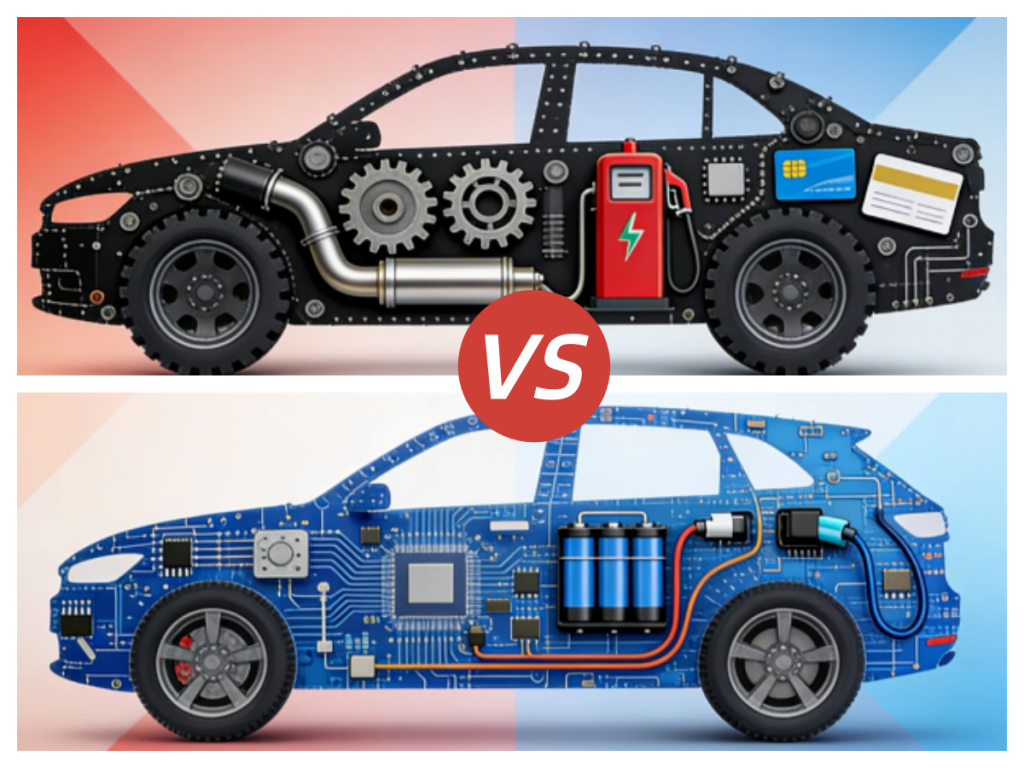
แนะ นำ: Petrol vs Electric Cars – The Big Decision
One of the most common questions car buyers ask today is:
Is it better to get a petrol car or an electric car?
The answer is not simple, because it depends on your driving habits, งบประมาณ, country regulations, and long-term expectations.
ใน 2026, the automotive market is changing fast. รถยนต์ไฟฟ้า (รถยนต์ไฟฟ้า) are growing rapidly, แต่ petrol cars still dominate in many regions.
This guide breaks down both options in a practical, real-world way.
Petrol Cars: Still Reliable and Easy to Refuel
Petrol (น้ำมัน) cars have been the global standard for over 100 ปี.
Advantages of Petrol Cars
- Easy refueling anywhere
- Lower upfront purchase price
- Mature and reliable technology
- Faster long-distance refueling compared to charging
- Wider repair network globally
Disadvantages of Petrol Cars
- Higher fuel cost over time
- More maintenance (เครื่องยนต์, เกียร์, oil, ฯลฯ)
- Increasing environmental regulations
- Risk of future bans in some cities
- Lower energy efficiency compared to EVs
Electric Cars: The Fastest Growing Choice
รถยนต์ไฟฟ้า, especially รถยนต์จีน, are rapidly reshaping the global market.
ยี่ห้ออย่าง
บีวายดี,
เอ็กซ์เปง
สนช.
are leading global EV adoption.
Advantages of Electric Cars
- Much lower running cost (electricity vs fuel)
- Quiet and smooth driving experience
- Fewer moving parts → lower maintenance
- Strong acceleration and modern technology
- Many countries offer tax incentives
Disadvantages of Electric Cars
- Higher upfront cost in some markets
- Charging time required
- Charging infrastructure still developing in some countries
- Battery degradation concerns (long-term)
Cost Comparison: Petrol vs Electric
In general:
- Petrol cars → cheaper to buy, more expensive to run
- Electric cars → more expensive to buy, cheaper to run
Simple Real-World Example:
- Petrol SUV: lower purchase price but high monthly fuel cost
- เอสยูวีไฟฟ้า: higher purchase price but much lower charging cost
Over 3–5 years, EVs often become more cost-efficient.
ประสบการณ์การขับขี่: Big Difference in Feel
Petrol Cars
- Engine noise
- การเปลี่ยนเกียร์ (in most models)
- Traditional driving feel
Electric Cars
- Instant torque
- อัตราเร่งที่ราบรื่น
- No engine vibration
- Quiet cabin
Many drivers switch to EVs simply because of the driving comfort difference.
Infrastructure: The Key Decision Factor
Before choosing, ask yourself:
- Do you have home charging access?
- Are there enough fast chargers in your area?
- Do you drive long-distance frequently?
If charging is convenient → EV is ideal
If charging is difficult → petrol may still be better
Environmental Impact
Electric vehicles produce zero tailpipe emissions, while petrol cars emit CO₂ and pollutants.
อย่างไรก็ตาม, EV environmental impact also depends on:
- Electricity source (coal vs renewable energy)
- Battery production lifecycle
Overall trend: EVs are still considered the future direction of transportation.
Global Market Trend: EVs Are Growing Fast
According to global automotive data (IEA and regional industry reports), electric vehicles are rapidly increasing their market share worldwide.
External references:
- International Energy Agency – Global EV Outlook
- European Automobile Manufacturers Association (ACEA)
These reports confirm that EV adoption is accelerating across Europe, จีน, and emerging markets.
คุณควรเลือกอันไหน?
Choose a petrol car if:
- You need low upfront cost
- You travel long distances with limited charging access
- You want simple refueling anywhere
Choose an electric car if:
- You want lower long-term cost
- You have home or workplace charging
- You prefer modern technology and comfort
- You care about environmental impact
บทสรุป: There Is No Single “Best Choice”
The decision between petrol and electric cars depends entirely on your lifestyle.
- Petrol cars remain practical and accessible
- Electric cars represent the future of mobility
ใน 2026 และต่อไป, the trend is clear: electric vehicles are becoming the dominant direction, but petrol cars still serve specific real-world needs.